Dr. Horrible's Sing-Along Blog is back up on Hulu.com. Go watch it if you missed it the first time around, and of course, it's there to re-watch. :)
Technorati tags: drhorrible, hulu

Tuesday, July 29, 2008

Monday, July 21, 2008
Dr. Horrible's End
I watched Dr. Horrible's Sing-Along Blog in its entirety one more time last night, and I'm still not sure about the ending.
I like seeing Dr. Horrible being, well, horrible. The last song in Act II sets him up to go after Captain Hammer, and that's exactly what he does. Neil Patrick Harris' singing is excellent throughout the show, but his song after freezing Captain Hammer is chilling and menacing. I love it because we see Dr. Horrible as a full-fledged villain--not a bumbling mad scientist regularly beat up after botched heists.
Penny's death, however, feels like a let down. I understand the innocent bystander gets hit idea, and her death is what propels Dr. Horrible into the Evil League of Evil. Acts I and II make Penny likable enough, but her character comes across as being weak. She's timid, hesitant, and quiet. Sarah Dobbs pointed out that you even have to strain to hear Penny when she's singing alongside Dr. Horrible or Captain Hammer (both of whose words are much easier to pick out). It's not an act, there is no twist--that's how Penny's character is. I'm sad when she dies at the end, but I don't care as much as maybe I should.
We find out plenty about Dr. Horrible. His personality, his desires, and his problems are on display the entire time. Captain Hammer, while not a likable guy, is a strong character. Penny's just...there. Dr. Horrible has a crush on her. Captain Hammer wants to irritate Dr. Horrible by dating her. Penny wants to help out the city by converting an old building to a homeless shelter, but she needs Captain Hammer's influence to get the building. So when she dies I'm sad, but not that sad. Dr. Horrible has my sympathy at the end, when he puts on a confident face for the League and then back at home, we see he's grief-stricken over losing Penny.
If you haven't seen Dr. Horrible's Sing-Along Blog, I suggest you check it out some time. (Now it's only available on iTunes.) Joss Whedon's intentions aren't completely clear, but the acting and singing is superb nonetheless.
Technorati Tags: drhorrible, Penny, death
I like seeing Dr. Horrible being, well, horrible. The last song in Act II sets him up to go after Captain Hammer, and that's exactly what he does. Neil Patrick Harris' singing is excellent throughout the show, but his song after freezing Captain Hammer is chilling and menacing. I love it because we see Dr. Horrible as a full-fledged villain--not a bumbling mad scientist regularly beat up after botched heists.
Penny's death, however, feels like a let down. I understand the innocent bystander gets hit idea, and her death is what propels Dr. Horrible into the Evil League of Evil. Acts I and II make Penny likable enough, but her character comes across as being weak. She's timid, hesitant, and quiet. Sarah Dobbs pointed out that you even have to strain to hear Penny when she's singing alongside Dr. Horrible or Captain Hammer (both of whose words are much easier to pick out). It's not an act, there is no twist--that's how Penny's character is. I'm sad when she dies at the end, but I don't care as much as maybe I should.
We find out plenty about Dr. Horrible. His personality, his desires, and his problems are on display the entire time. Captain Hammer, while not a likable guy, is a strong character. Penny's just...there. Dr. Horrible has a crush on her. Captain Hammer wants to irritate Dr. Horrible by dating her. Penny wants to help out the city by converting an old building to a homeless shelter, but she needs Captain Hammer's influence to get the building. So when she dies I'm sad, but not that sad. Dr. Horrible has my sympathy at the end, when he puts on a confident face for the League and then back at home, we see he's grief-stricken over losing Penny.
If you haven't seen Dr. Horrible's Sing-Along Blog, I suggest you check it out some time. (Now it's only available on iTunes.) Joss Whedon's intentions aren't completely clear, but the acting and singing is superb nonetheless.
Technorati Tags: drhorrible, Penny, death
Friday, July 18, 2008
Whedon's Dr. Horrible is simply wonderful

Dr. Horrible's Sing-Along Blog is a mini-series starring Neil Patrick Harris (How I Met Your Mother, Doogie Howser, M.D.) and Nathan Fillion (Firefly). It's an internet-only thing made of up three acts. You can see Acts I and II at drhorrible.com and Act III will be up Saturday. The idea came out of the writers' strike standstill when Joss Whedon (creator of Buffy the Vampire Slayer, Angel, and Firefly...and Dollhouse coming this fall) wanted to make something significant with less money and no major studios.
And so we get this wonderful, funny, quirky musical comedy. Dr. Horrible (played by Neil Patrick Harris) is a sub-par villain with a crush on a girl he sees at the laundry mat. Captain Hammer (Nathan Fillion) is the superhero of the story, but he's not necessarily a nice guy.
The music's good, and the story's entertaining. Thank you, Mr. Whedon, for giving us something to look forward to in the middle of the summer.
You can watch it for free online until Sunday night. Then you can get it off iTunes or on DVD later on.
Technorati Tags: drhorrible, Whedom, musical, comedy
Thursday, July 17, 2008
The Joker is the best villain
Every comic book movie features a villain or two to challenge the hero, and this summer everyone's looking forward to Heath Ledger's Joker in The Dark Knight. We know he's creepy, we know he's crazy, but what makes the Joker such a good villain? Let's take a look at a few other villains and see how they stand up next to the Joker. (Note that I'm going by the villains' portrayal in movies and on TV rather than in comic books. If they're drastically different in the comics, please feel free to leave a comment about it.)
First up, Lex Luthor--Superman's archenemy. Luthor doesn't have any superpowers, but he has a lot of money and he's really smart. That's a bad combination for a guy who has it in for the Man of Steel. (Notice it's the same combination that Bruce Wayne has, except he becomes Batman.) Luthor's motivation for doing bad things varies depending on what you're watching, but Lex is always after more power and more money. He attacks Superman because Superman is the one person that consistently gets in his way, one of the few people who are always suspicious of Lex and therefore keep a closer eye. Lex might be jealous of Superman's power, and there's also a less prevalent reason--maybe Lex sees it as his duty to keep Superman in check, to keep Superman from having too much power and influence on Earth. Whatever his reason, Lex is a definite threat, and he's got guts to go up against Superman, and to do it multiple times.
Step over to the Marvel sides of comics, and we have a different kind of villain in Magneto. He leads the Brotherhood and counters Professor Xavier's X-Men. Professor X and the X-Men (the good guys) want equality for mutants. Magneto wants to go further and live in a world where mutants are superior to humans. So a struggle begins between two world views. Magneto is less of an in-your-face villain (like Green Goblin, for example), and prefers rather to work in the background. In the first X-Men movie, he sets up his apparatus to change humans into mutants in the Statue of Liberty, and he plans it unnoticed. He believes he's making progress, but really he's forcing his ideas on everyone else. Like Lex, he has a reason for everything he does, and he does have a definite goal in mind.
Sylar on NBC's Heroes is yet another type of villain. His only motivation is more power, and he gains it by killing other people to get their superhuman abilities. He has no purpose except to collect as many abilities as he can. This might make him a simple villain, but still a dangerous one because he can't be satisfied. He will always want more power.
So what's the Joker's motivation? I would argue that he doesn't have one, and that makes him the perfect villain. He sets bombs, he steals things, and he hurts people for no reason. You could say he's cultivating power and influence by building on people's fear of him, but then what would he use that influence for? The Joker doesn't have a reason for what he does, and so he will never have a reason to stop.
I've yet to see how Ledger's Joker compares to past incarnations, but going by the movie trailers, maybe the Joker's motivation is to counter Batman. Maybe he wants to take Batman off the streets so criminals can have free reign. He says, "This town deserves a better class of criminal." I say that's exactly what the Joker gave Gotham.
First up, Lex Luthor--Superman's archenemy. Luthor doesn't have any superpowers, but he has a lot of money and he's really smart. That's a bad combination for a guy who has it in for the Man of Steel. (Notice it's the same combination that Bruce Wayne has, except he becomes Batman.) Luthor's motivation for doing bad things varies depending on what you're watching, but Lex is always after more power and more money. He attacks Superman because Superman is the one person that consistently gets in his way, one of the few people who are always suspicious of Lex and therefore keep a closer eye. Lex might be jealous of Superman's power, and there's also a less prevalent reason--maybe Lex sees it as his duty to keep Superman in check, to keep Superman from having too much power and influence on Earth. Whatever his reason, Lex is a definite threat, and he's got guts to go up against Superman, and to do it multiple times.
Step over to the Marvel sides of comics, and we have a different kind of villain in Magneto. He leads the Brotherhood and counters Professor Xavier's X-Men. Professor X and the X-Men (the good guys) want equality for mutants. Magneto wants to go further and live in a world where mutants are superior to humans. So a struggle begins between two world views. Magneto is less of an in-your-face villain (like Green Goblin, for example), and prefers rather to work in the background. In the first X-Men movie, he sets up his apparatus to change humans into mutants in the Statue of Liberty, and he plans it unnoticed. He believes he's making progress, but really he's forcing his ideas on everyone else. Like Lex, he has a reason for everything he does, and he does have a definite goal in mind.
Sylar on NBC's Heroes is yet another type of villain. His only motivation is more power, and he gains it by killing other people to get their superhuman abilities. He has no purpose except to collect as many abilities as he can. This might make him a simple villain, but still a dangerous one because he can't be satisfied. He will always want more power.
So what's the Joker's motivation? I would argue that he doesn't have one, and that makes him the perfect villain. He sets bombs, he steals things, and he hurts people for no reason. You could say he's cultivating power and influence by building on people's fear of him, but then what would he use that influence for? The Joker doesn't have a reason for what he does, and so he will never have a reason to stop.
I've yet to see how Ledger's Joker compares to past incarnations, but going by the movie trailers, maybe the Joker's motivation is to counter Batman. Maybe he wants to take Batman off the streets so criminals can have free reign. He says, "This town deserves a better class of criminal." I say that's exactly what the Joker gave Gotham.
Tuesday, June 10, 2008
Sleep in on Saturdays
A decade ago, kids eagerly woke up early on Saturday mornings (7-8 o'clock early). They grabbed a bowl of cereal (preferably something with a lot of sugar) and sat down on their couches excited to see new episodes of their favorite cartoons. Even teenagers had a few shows to look forward to. TV was broken down into 30 minute slots. ABC, FOX, the WB, and NBC all offered a variety of Saturday morning programming, and we had to make difficult decisions about what to watch and when. Series such as Looney Tunes, Animaniacs, Batman, Spiderman, and even the Power Rangers offered pure entertainment. These shows were smart, funny, and a perfect way to relax after a week of school work.
Kids aren't as excited for Saturday morning TV anymore. Besides the steady decline of quality American television series, networks are putting less new programming on Saturday mornings. You can always catch an episode of the tenth (or so) Power Rangers spin-off, but you'll find a lot of reruns (especially of the Disney variety).
Switch over to cable, to Nickelodeon's Saturday morning schedule, and Spongebob Squarepants is on for at least an hour. Prepare for dumb-downed humor and annoying nasal voices…Reruns are likely too, since like other networks, Nickelodeon doesn't save the good stuff for Saturday mornings anymore. Disney and Nickelodeon both air new programming during the week now. Saturday morning TV has become Rerun Land.
But I don't want to talk about reruns. I want to discuss the decline in children's television--and not the education stuff. Just entertainment.
The 1990s brought back Looney Tunes and introduced a few new Warner Brothers cartoons. We had Bugs Bunny and Daffy Duck, but also Wacko, Yakko, and Dot on the Animaniacs. Tweety and Sylvester had their own show and so did Pinky and the Brain. Simple and pleasant animation, bright colors, witty characters, and a full orchestra produced all the music.
I realize a lot of 90s kids' show were violent. Elmer Fudd carried a rifle and shot Daffy Duck. Wile E. Coyote suffered all sort of injuries from falling Acme anvils, and Wacko regularly swung his giant wooden mallet. Somehow, though, that violence didn't stick. Daffy always pieced himself back together and Wile E. always popped up after flattening to the ground.
Maybe kids got the message that violence wasn't permanent, or maybe they were detached enough from the shows they watched to know it wasn't real. They knew cartoon characters couldn't be hurt but people definitely could.
Either way, humor and storylines balanced out the violence well enough that it wasn't a major issue. The result: Saturday morning cartoons were something children, teens, and adults could all enjoy. The slapstick humor in Animaniacs made kids giggle while adults picked up on the pop culture references. Batman had the superhero appeal for kids and the mature, developed storylines for adults. Can we still say that about current shows geared toward kids? Look at most of Disney's and Nickelodeon's programming, and your answer will be a forceful No. Even if you're able to tolerate an episode or two, by the end of the week you'll be sick of the trite storylines, the flat characterization, and the similarities among all the shows.
Come Saturday, you won't want to wake up to that kind of stale programming. You'll want a break from weekday series, something different and unique to kick off your weekend. I'm sorry, but you won't find it unless you invest in 90s cartoons DVD sets.
Kids aren't as excited for Saturday morning TV anymore. Besides the steady decline of quality American television series, networks are putting less new programming on Saturday mornings. You can always catch an episode of the tenth (or so) Power Rangers spin-off, but you'll find a lot of reruns (especially of the Disney variety).
Switch over to cable, to Nickelodeon's Saturday morning schedule, and Spongebob Squarepants is on for at least an hour. Prepare for dumb-downed humor and annoying nasal voices…Reruns are likely too, since like other networks, Nickelodeon doesn't save the good stuff for Saturday mornings anymore. Disney and Nickelodeon both air new programming during the week now. Saturday morning TV has become Rerun Land.
But I don't want to talk about reruns. I want to discuss the decline in children's television--and not the education stuff. Just entertainment.
The 1990s brought back Looney Tunes and introduced a few new Warner Brothers cartoons. We had Bugs Bunny and Daffy Duck, but also Wacko, Yakko, and Dot on the Animaniacs. Tweety and Sylvester had their own show and so did Pinky and the Brain. Simple and pleasant animation, bright colors, witty characters, and a full orchestra produced all the music.
I realize a lot of 90s kids' show were violent. Elmer Fudd carried a rifle and shot Daffy Duck. Wile E. Coyote suffered all sort of injuries from falling Acme anvils, and Wacko regularly swung his giant wooden mallet. Somehow, though, that violence didn't stick. Daffy always pieced himself back together and Wile E. always popped up after flattening to the ground.
Maybe kids got the message that violence wasn't permanent, or maybe they were detached enough from the shows they watched to know it wasn't real. They knew cartoon characters couldn't be hurt but people definitely could.
Either way, humor and storylines balanced out the violence well enough that it wasn't a major issue. The result: Saturday morning cartoons were something children, teens, and adults could all enjoy. The slapstick humor in Animaniacs made kids giggle while adults picked up on the pop culture references. Batman had the superhero appeal for kids and the mature, developed storylines for adults. Can we still say that about current shows geared toward kids? Look at most of Disney's and Nickelodeon's programming, and your answer will be a forceful No. Even if you're able to tolerate an episode or two, by the end of the week you'll be sick of the trite storylines, the flat characterization, and the similarities among all the shows.
Come Saturday, you won't want to wake up to that kind of stale programming. You'll want a break from weekday series, something different and unique to kick off your weekend. I'm sorry, but you won't find it unless you invest in 90s cartoons DVD sets.
Thursday, May 22, 2008
Marvel and DC Movies
Since I saw Iron Man last week, I've been thinking about a few differences between Marvel and DC comic book movies. I like movies from both and I'm not saying one side is necessarily better than the other.
For the sake of brevity and to keep me from rambling too much, I'm not counting sequels. The Dark Knight comes out in July and Spiderman and X-Men both had successful sequels. But I'm not talking about those--just the first installments.
Here's the list of why I think Marvel is more willing to take risks but still respects the comic book origins of its characters.
1) Marvel jump-started the superhero movie genre with X-Men.
I think most people consider Spiderman the beginning of the current trend of comic book movies because it was so successful, but mutants were in theaters two years earlier with X-Men in 2000. We had the Superman movies in the late 70s and early 80s, and Marvel brought back spandexed heroes in the 21st century.
2) It's okay to change the costume, but be sensible.
Brandon Routh's Superman and Tobey Maguire's Spiderman donned darker colored suits than their traditional bright costumes, and that worked out well. Hugh Jackman's wardrobe went a step further by replacing Wolverine's yellow suit with black leather. This change might have offended classic fans, but it was a smart move. Silver-screen Wolverine in sunshine yellow just wouldn't have been as intimidating. Or nearly as cool. Marvel knows when comic book and cartoon colors won't translate to real life.
 .....
.....
3) Main characters can be serious and funny in the same movie. Really.
Every comic book movie to date has its bright and dark moments, but I think Marvel does a better job of balancing the two sides. Peter Parker's geekiness and the younger X-Mens' lack of control add some comic relief to their movies. "But wait," you say, "Clark Kent's dorky. That's funny sometimes." That's not enough. You need smart, funny dialogue. A broad sense of humor that appeals to a lot of people.
Iron Man has it: Tony Stark's snarky, sarcastic personality, his flops in developing the suit, his quirky robots. Comedic timing in there throughout the movie.
Sure, Clark's a dork, but I'm not laughing when he gets stabbed with Kryptonite seconds after Lex mocks him. I am, however, cheering on Iron Man even as he's fighting a machine 3 times his size. Batman Begins has it's moments, but I mostly remember rain, sewers, and Batman's cape billowing across the screen. Uplifting moments have to stick out if you're going to remember a movie's light-heartedness.
4) Changing minor things is okay, but please leave major aspects of the character alone.
I can make this point brief. Giving Spiderman organic webbing is (arguably) cool. Giving Superman an illegitimate son is (definitely) not.
5) You can appeal to more than superhero fans. (Yes, it can be done.)
Marvel movies do a great job with giving the audience a brief origin story and necessary background information with plenty of time left for an awesome movie made of action scenes, character development, suspense, humor, and a little romance. We see Peter Parker get bitten by the spider, and then he gets his powers. Does the movie have to tell us how his parents died? No, so it doesn't. Tony Stark builds his iron suit while being held captive, but we don't hear anything about his mother (and that's okay). We meet the heroes and then they're off to save citizens and fight crime.
DC has a different method. We see Bruce Wayne watch his parents' murder. We see he's afraid of bats, and he becomes Batman to overcome his fear and fight crime in Gotham. That's really great, but is all of that introduction necessary? Even with the movie reigniting the franchise? I don't know. I would have been fine going into the movie knowing this Batman was slightly different from past incarnations. I wouldn't need multiple scenes to explain it to me. Then there's Superman Returns. Good fun if you're a long-time Superman fan and enjoy spotting all the references to past incarnations of the Man in Steel. The film's crew obviously spent a lot of time working those references in, but that work will be appreciated only by a small audience who already loved Superman. What good are those homages to the casual viewer?
The scene where Superman catches Kitty's speeding car is well-shot and exciting. But how many people know that Superman's stance as he lowers the car to the street is a throwback to Action Comics 1, the first comic book in which Superman appeared?


Or for another example, how many people saw the bartender near the beginning of the film and thought he looked familiar? Superman fans know the actor is Jack Larson, and he portrayed Jimmy Olsen in the 1950s live-action Adventures of Superman series (with George Reeves as Superman/Clark Kent).


6) Marvel makes movies for its lesser-known heroes.
DC have given us Batman and Superman, and that's great. But everyone knows Batman and Superman, so their movies both had a pretty good chance at success. Marvel, however, takes its chances with lesser known characters (or at least looks past its most popular franchises). Marvel gave us the X-Men, Spiderman, and the Hulk, but it also gave us Daredevil, the Fantastic 4, and Iron Man.
DC could risk a little more. They've got Green Arrow, Wonder Woman, the Flash, Hawk Girl, Green Lantern...all those characters have potential to be great movies. So where are they? I really want to see a live-action Batman Beyond. With Inque. Hey, I can have high hopes.
Comic book movies are in right now, and they're successful at the box office among a broad audience. Marvel seems to know what its doing with its characters. I'd like to see DC step up and give us more characters, smart (and tidy) plots, action, and humor. The films can be deep and thoughtful at times, but really, I want to be entertained. Give me super-powered escapism and I'll enjoy every minute of it.
Superman Returns screencaps are from Follow Tomorrow.
Technorati tags: Superman, Ironman, Marvel, DC, comics, movies, Batman, X-Men, superheroes
For the sake of brevity and to keep me from rambling too much, I'm not counting sequels. The Dark Knight comes out in July and Spiderman and X-Men both had successful sequels. But I'm not talking about those--just the first installments.
Here's the list of why I think Marvel is more willing to take risks but still respects the comic book origins of its characters.
1) Marvel jump-started the superhero movie genre with X-Men.
I think most people consider Spiderman the beginning of the current trend of comic book movies because it was so successful, but mutants were in theaters two years earlier with X-Men in 2000. We had the Superman movies in the late 70s and early 80s, and Marvel brought back spandexed heroes in the 21st century.
2) It's okay to change the costume, but be sensible.
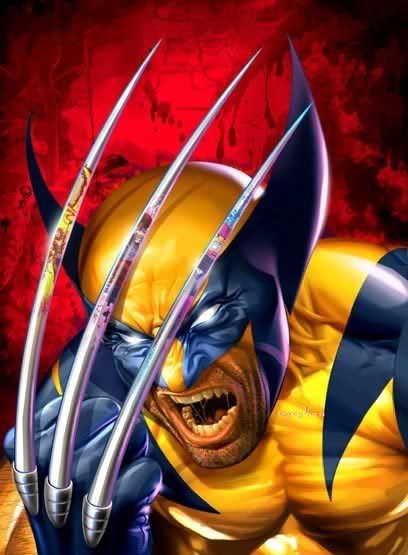
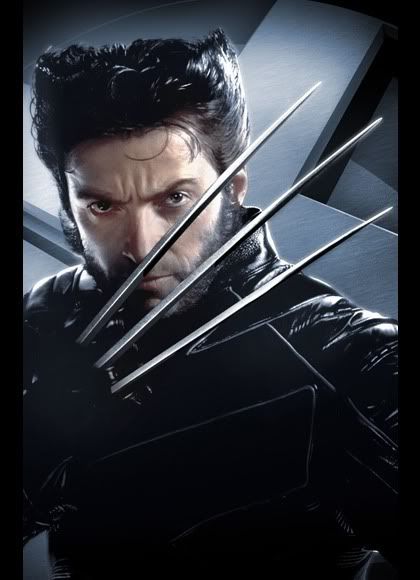
Brandon Routh's Superman and Tobey Maguire's Spiderman donned darker colored suits than their traditional bright costumes, and that worked out well. Hugh Jackman's wardrobe went a step further by replacing Wolverine's yellow suit with black leather. This change might have offended classic fans, but it was a smart move. Silver-screen Wolverine in sunshine yellow just wouldn't have been as intimidating. Or nearly as cool. Marvel knows when comic book and cartoon colors won't translate to real life.
Click for larger images
 .....
.....
3) Main characters can be serious and funny in the same movie. Really.
Every comic book movie to date has its bright and dark moments, but I think Marvel does a better job of balancing the two sides. Peter Parker's geekiness and the younger X-Mens' lack of control add some comic relief to their movies. "But wait," you say, "Clark Kent's dorky. That's funny sometimes." That's not enough. You need smart, funny dialogue. A broad sense of humor that appeals to a lot of people.
Iron Man has it: Tony Stark's snarky, sarcastic personality, his flops in developing the suit, his quirky robots. Comedic timing in there throughout the movie.
Sure, Clark's a dork, but I'm not laughing when he gets stabbed with Kryptonite seconds after Lex mocks him. I am, however, cheering on Iron Man even as he's fighting a machine 3 times his size. Batman Begins has it's moments, but I mostly remember rain, sewers, and Batman's cape billowing across the screen. Uplifting moments have to stick out if you're going to remember a movie's light-heartedness.
4) Changing minor things is okay, but please leave major aspects of the character alone.
I can make this point brief. Giving Spiderman organic webbing is (arguably) cool. Giving Superman an illegitimate son is (definitely) not.
5) You can appeal to more than superhero fans. (Yes, it can be done.)
Marvel movies do a great job with giving the audience a brief origin story and necessary background information with plenty of time left for an awesome movie made of action scenes, character development, suspense, humor, and a little romance. We see Peter Parker get bitten by the spider, and then he gets his powers. Does the movie have to tell us how his parents died? No, so it doesn't. Tony Stark builds his iron suit while being held captive, but we don't hear anything about his mother (and that's okay). We meet the heroes and then they're off to save citizens and fight crime.
DC has a different method. We see Bruce Wayne watch his parents' murder. We see he's afraid of bats, and he becomes Batman to overcome his fear and fight crime in Gotham. That's really great, but is all of that introduction necessary? Even with the movie reigniting the franchise? I don't know. I would have been fine going into the movie knowing this Batman was slightly different from past incarnations. I wouldn't need multiple scenes to explain it to me. Then there's Superman Returns. Good fun if you're a long-time Superman fan and enjoy spotting all the references to past incarnations of the Man in Steel. The film's crew obviously spent a lot of time working those references in, but that work will be appreciated only by a small audience who already loved Superman. What good are those homages to the casual viewer?
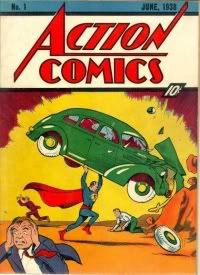
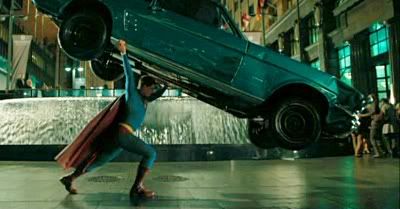
The scene where Superman catches Kitty's speeding car is well-shot and exciting. But how many people know that Superman's stance as he lowers the car to the street is a throwback to Action Comics 1, the first comic book in which Superman appeared?
Or for another example, how many people saw the bartender near the beginning of the film and thought he looked familiar? Superman fans know the actor is Jack Larson, and he portrayed Jimmy Olsen in the 1950s live-action Adventures of Superman series (with George Reeves as Superman/Clark Kent).
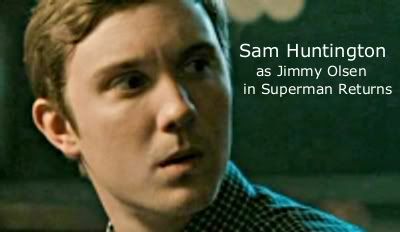
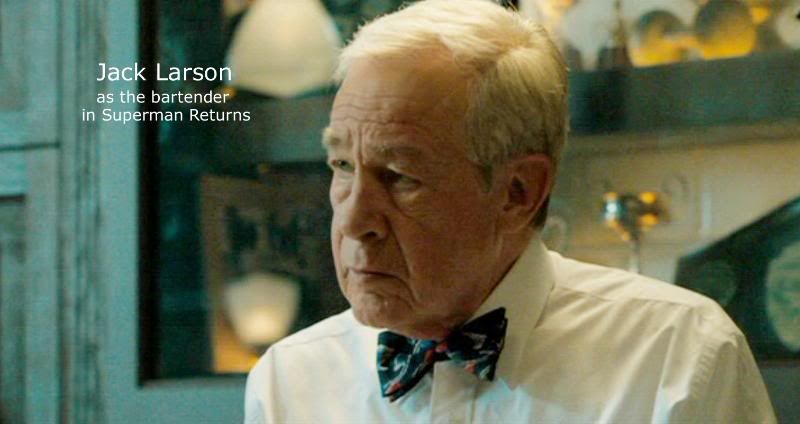
Those bits in the movie are great for existing Superman fans, but the general audience doesn't care. Superman Returns is a decent movie on its own, but there are several confusing things in the plot-holed script. What's going on with Superman's son? Since when does Perry have a nephew (involved with Lois)? Is the Fortress of Solitude broken? More knowledgeable fans can guess answers to these questions, but everyone else is lost.
6) Marvel makes movies for its lesser-known heroes.
DC have given us Batman and Superman, and that's great. But everyone knows Batman and Superman, so their movies both had a pretty good chance at success. Marvel, however, takes its chances with lesser known characters (or at least looks past its most popular franchises). Marvel gave us the X-Men, Spiderman, and the Hulk, but it also gave us Daredevil, the Fantastic 4, and Iron Man.
DC could risk a little more. They've got Green Arrow, Wonder Woman, the Flash, Hawk Girl, Green Lantern...all those characters have potential to be great movies. So where are they? I really want to see a live-action Batman Beyond. With Inque. Hey, I can have high hopes.
Comic book movies are in right now, and they're successful at the box office among a broad audience. Marvel seems to know what its doing with its characters. I'd like to see DC step up and give us more characters, smart (and tidy) plots, action, and humor. The films can be deep and thoughtful at times, but really, I want to be entertained. Give me super-powered escapism and I'll enjoy every minute of it.
Superman Returns screencaps are from Follow Tomorrow.
Technorati tags: Superman, Ironman, Marvel, DC, comics, movies, Batman, X-Men, superheroes
Monday, May 5, 2008
Michael Rosenbaum moves out of Smallville
Michael Rosenbaum (Lex Luthor) won't be a season regular for next year. (Smallville fans should already know this). In contrast to Gene Hackman's menacing but comical Lex in the 1978 Superman movie (which is also entertaining, but for other reasons), Rosenbaum's Lex is intelligent, approachable yet threatening. Lex's character was written better in earlier seasons, but Rosenbaum has continued to bring depth, sympathy, and believability to his character.
I don't know how they're going to write Lex out of Smallville. It's not like the writers can send him to Metropolis. Clark, Lois, and Chloe already spend a lot of time in the city.
This excerpt from the article is interesting:
Technorati Tags: Rosenbaum, Smallville, Superman, television, Doomsday
I don't know how they're going to write Lex out of Smallville. It's not like the writers can send him to Metropolis. Clark, Lois, and Chloe already spend a lot of time in the city.
This excerpt from the article is interesting:
I don't read comics, but I did see the animated Superman: Doomsday film that came out last year. The movie was entertaining enough, and the battle between Superman and Doomsday was epic. If a full-fledged Superman died at the hands of Doomsday, what exactly is Smallville's Clark supposed to do? He doesn't know how to fly yet. He has some experience fighting super-powered villains, but he hasn't gone up against anyone near Doomsday's level. I'm not sure the show can pull it off unless they fast-forward ten years or so.
In season eight, Clark will face his ultimate challenge with the appearance of the legendary, unstoppable destroyer Doomsday, who appears on Smallville for the first time. As comic book fans know, Doomsday is notorious for being the only character in the DC Comics universe to have killed Superman.
Technorati Tags: Rosenbaum, Smallville, Superman, television, Doomsday
Subscribe to:
Posts (Atom)